


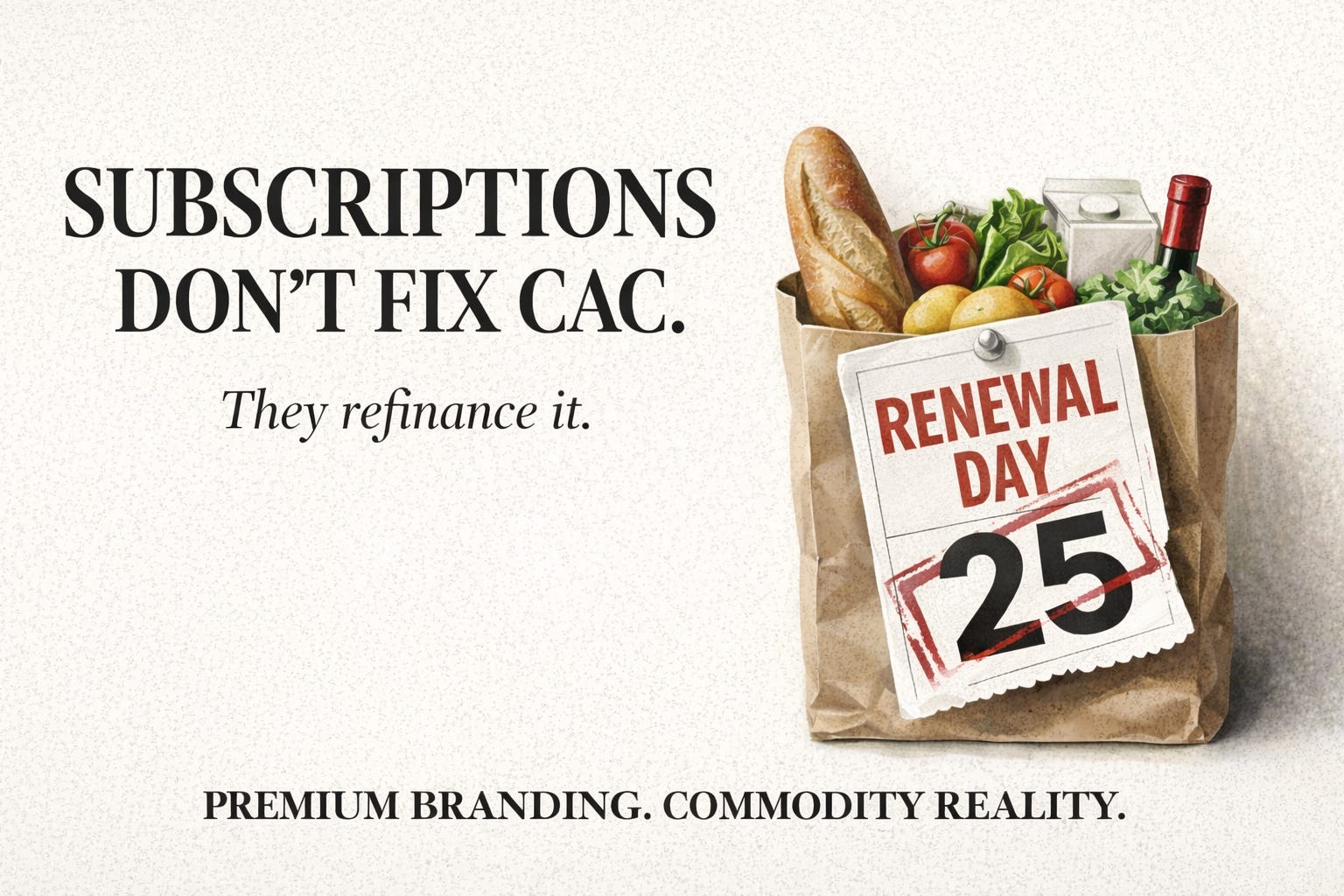
When raising capital for Meat N’ Bone, 8 of every 10 investors would ask about subscriptions.
The question arrived with the same calm confidence every time, like it was a law of nature.
What about subscriptions?
Not how do you win the second order?
Not how do you build trust?
Not how do you protect margin without cheapening the product?
Subscriptions… as if recurring billing were the missing ingredient that could turn expensive customer acquisition into a predictable machine.
I understand the obsession. Subscriptions are the closest thing consumer businesses have to the certainty software enjoys. They smooth revenue. They tidy forecasts. They make messy human behavior look, from far enough away, like a contract.
The problem is that most consumer buying isn’t contractual. It’s situational.
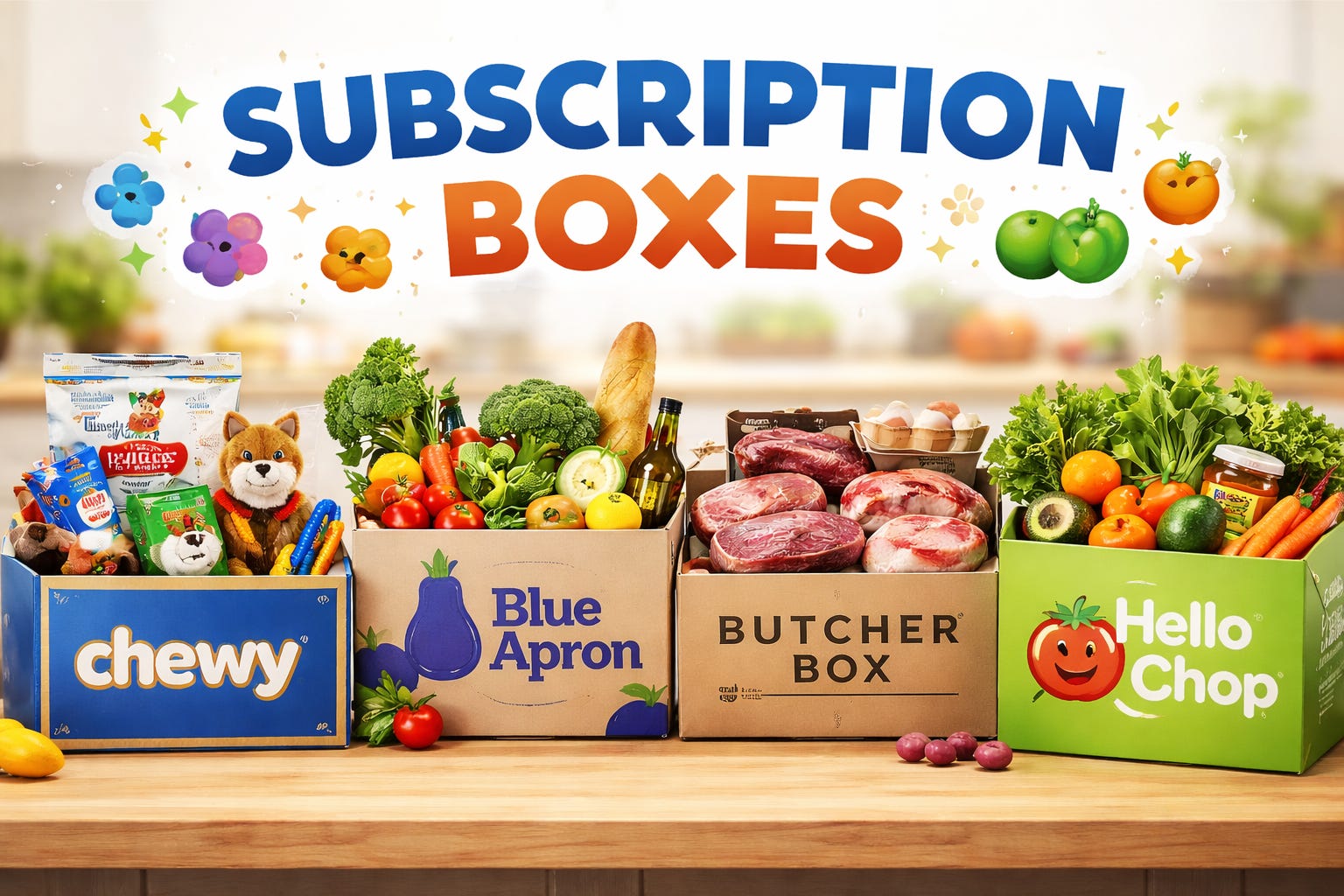
Subscriptions work when the product behaves like a utility… boring, frequent, predictable. That’s why they’re great for household staples and refills. Pet supplies are the cleanest example of subscription as service, not subscription as trap. Chewy’s Autoship isn’t a side feature; it’s the engine, representing 83.9% of net sales in a recent quarter. That’s what alignment looks like; the business cadence matches real life.
Drinks can fit this too… coffee, certain functional beverages, pantry staples… when consumption is steady and the subscription simply removes friction. But the moment the “plan” exists to rescue the economics rather than serve the customer, the tone changes. “Never run out” stops being a convenience promise and starts sounding like a retention strategy.
Food is where the subscription fantasy gets exposed, because food is the least compatible with the idea of consistency.
Food is mood and travel and weekends that don’t resemble weekdays. It’s dieting, guests, holidays, and the human truth that what sounded great last week might feel wrong today. It’s also spoilage, substitutions, missed delivery windows, and a cold chain that doesn’t care how pretty your brand looks in a paid social carousel.
When you force food into a subscription cadence, you’re not selling convenience. You’re selling a calendar.
And calendars lose to life.
That mismatch is why so many food subscriptions drift toward the same playbook. You discount heavily to acquire. You make enrollment frictionless. You rely on inertia to keep people paying long enough for the math to work. The business stops focusing on earning repeat purchase and starts focusing on pre-authorizing it.
You can call that retention. Consumers have another word for it.
We’ve already watched this movie at scale.
Blue Apron is the cleanest case study because the arc is public and brutal. In 2017, it went public around a $1.9B valuation. The promise was familiar… yes, marketing is expensive, but subscription repeat will pay it back. The story was presented with the language investors love; cohort economics, payback, lifetime value logic. Critics flagged the catch early. If your acquisition math leans on earlier, cheaper-ad years, it can flatter the present.
The ending is the lesson. In 2023, Wonder agreed to acquire Blue Apron for roughly $103M. Subscription didn’t change the physics of customer acquisition and fulfillment. It helped narrate them… until the narration stopped working.
Then comes the inevitable rebuttal. But what about Butcher Box?
It’s a fair question. But the counterexample is also revealing, because it shows what has to be true for subscription meat to work at scale.
This is where consumers get sold a feeling.
Most people see the box, the logo, the paid ads, the influencer testimonials, and they assume “premium butcher.” But behind many subscription protein models is a more ordinary reality. The business survives on standardization. Not because anyone is evil. Because national cold-chain shipping, heavy promotions, and expensive acquisition are unforgiving. Something has to give.
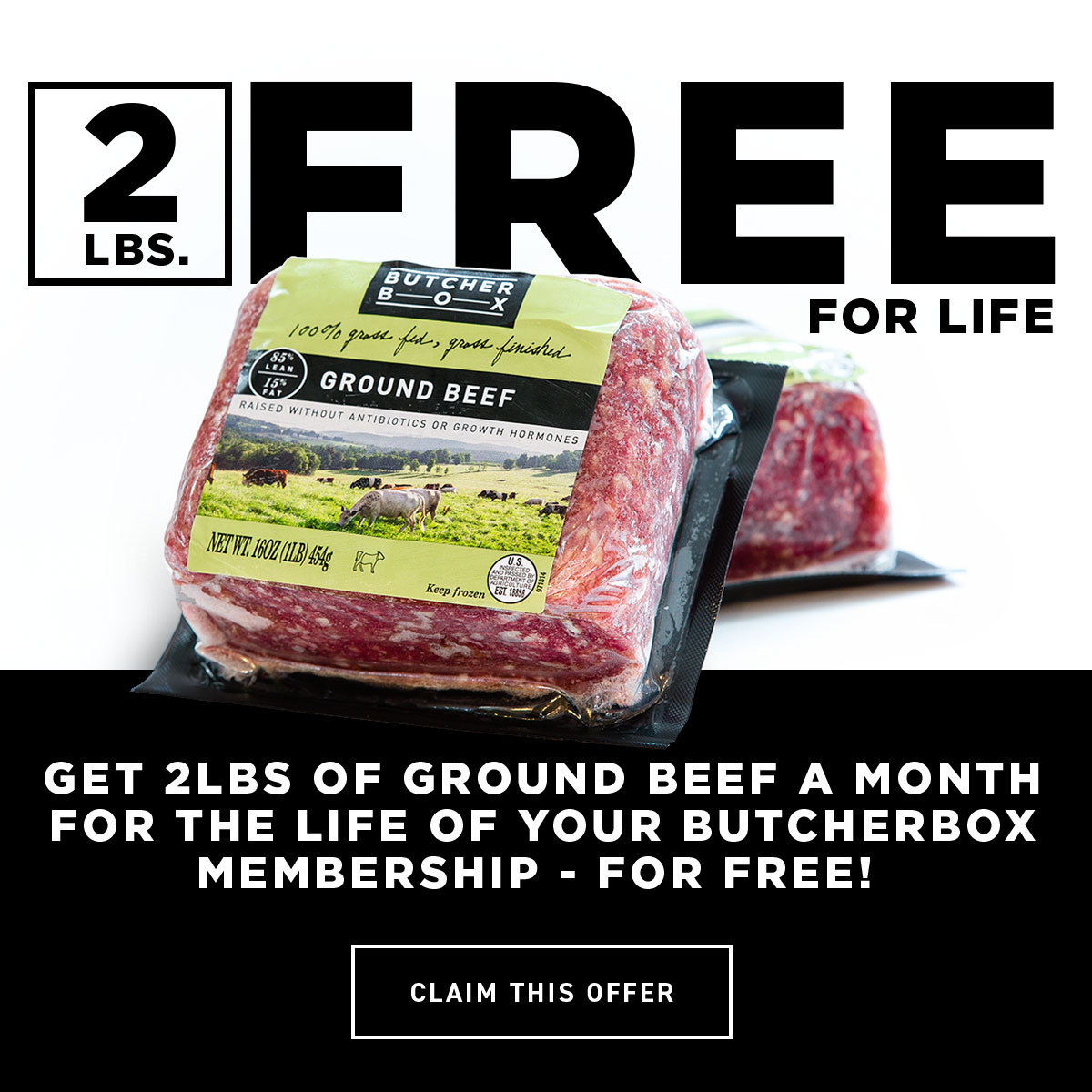
Start with a basic misconception. A lot of customers treat “USDA” language as a quality badge. It often isn’t. USDA inspection is mandatory; it’s safety and wholesomeness. Quality grading is a separate, voluntary thing. If you’re not reading the actual spec, “USDA” can feel like “premium” when it’s simply “legal.”
Then there’s sourcing. ButcherBox has explicitly said its 100% grass-fed beef is sourced from Australia, and it has also described some U.S. programs as USDA Choice grain-finished. None of that is scandal. It’s scale. But it creates an expectation gap when customers think they’re buying “best possible,” and what they’re actually buying is often mainstream spec packaged with premium tone.
If you’ve spent years around beef, you learn to separate brand premium from meat premium. Choice can be great… when it’s selected well. But Choice as a category is also what many good supermarkets already sell every day. And when a subscription model has to protect margin, the customer often feels it in the details. Smaller portions. Thinner cuts. More standard, and therefore more forgettable, eating quality than the box implied.
That’s the quiet trick of many “premium subscription” food brands. They aren’t necessarily selling you better product. They’re selling you a better story.
And when the story outruns the spec, the value feels low… because it is low relative to the expectation the brand created. That disconnect shows up everywhere people are brutally honest; in reviews, in complaints, in the private post-mortem conversations between friends who tried the box and went back to local. This is not to beat on Butcher Box I have immense respect for what they are doing from a business perspective, but the only benefit of their service… is convenience.
In food, subscriptions don’t create premium economics; they often force premium branding onto commodity reality.
Which brings me back to that investor question, and what I learned living inside it.
Subscriptions don’t fix CAC. They refinance it.
They take a front-end problem, acquisition getting more expensive, and spread it across future orders, hoping churn doesn’t call the bluff. In utility categories, that’s fine because behavior is naturally repeatable. In food and drink, where consumption is situational, the subscription becomes a bet against human life.
Sometimes you win that bet. Often, the customer does… by canceling.
Dinner doesn’t renew on the first of the month. Any business model that depends on it will eventually learn the difference between loyalty and inertia.
And that’s why, at Meat N’ Bone, I resisted the temptation to force recurrence. I wanted subscriptions, badly… not for the deck, but for the predictability. But I wasn’t willing to compete in that lane if it meant lowering the ceiling on quality and calling it “premium.”
Agree? Disagree? Would love to hear from you. Shoot me an email or post a comment.
I spend a lot of time thinking and writing about food, hospitality, tech, and capital. But none of that matters if you ignore this one decision: who you decide to build with—and how you structure that relationship.