


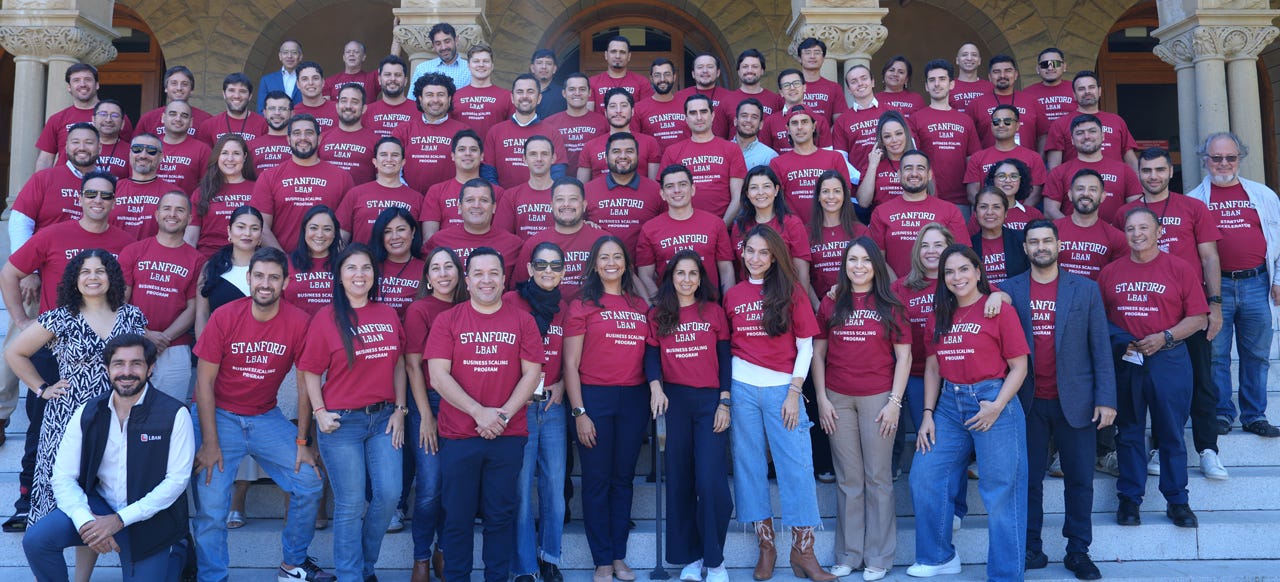
For almost 15 years, my world was mostly spreadsheets, slide decks, and corporate strategy. Then, about eight years ago, I added cutting boards, walk-in coolers, smoke, fire, guests, and all the messy beauty of hospitality to the mix. These days I live somewhere between a kitchen line and a cash-flow model. Flavor & Founders lives in that in-between.
I’ve spent most of my career being the person asked, “How do we scale this?” A recent class with Stanford professor Huggy Rao, who wrote Scaling Up Excellence, gave that instinct a language. He talked about two kinds of people you need if you want anything meaningful to grow: poets and plumbers. That frame hasn’t left me.
Poets make you care. They see a world that doesn’t exist yet and pull you into it. In our world, they’re founders, chefs, brand builders, product people—the ones obsessing over how a dining room feels at 8:30 p.m. on a Friday, or how a bite of aged ribeye should live in your memory.
Plumbers make it work. They live in systems, code, ops, infrastructure, finance. In food and hospitality, they’re routing your orders so they land hot or cold as they should, designing loyalty programs that don’t blow up your margins, engineering POS systems that don’t crash when the Wi-Fi stutters and the line is out the door. They’re rarely on stage, but without them, the whole thing floods.
You need both. Without poets, the industry becomes a spreadsheet with calories. Without plumbers, it becomes a string of beautiful ideas that die the second they meet rent, labor, and reality.
My view of that balance has been shaped by people who talk about hospitality with both romance and rigor. Danny Meyer is a poet and plumber in one body—he made hospitality feel aspirational while obsessing over culture, systems, and how to scale “enlightened hospitality” without watering it down. Unreasonable Hospitality hit me the same way when my GM at The Wagyu Bar, Saul Ferrarosa, handed me the book: in a world full of “good enough,” the people who win go unreasonable in how they care for guests and teams—and then build plumbing so that level of care can repeat.
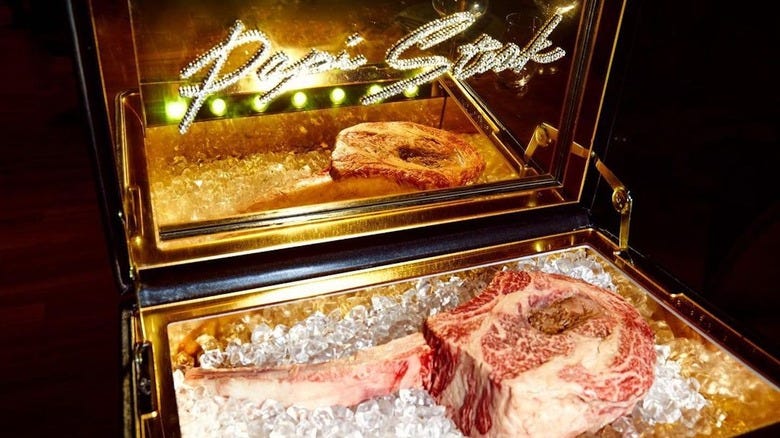
Robert Cialdini’s Influence, introduced to me by my friend Alejandro Delgado, added another layer: a reminder of how messy perception is, how easily we’re swayed by social proof, authority, scarcity, and noise from investors, friends, and naysayers. It’s the same psychology that has people happily dropping $1,500 on a steak in a tiny suitcase, convinced they’re buying a story, not just a piece of meat.
I like to think of myself as a bit of both poet and plumber. I founded Meat N’ Bone while working in the strategy department of the world’s largest education company, living a double life between PowerPoints and walk-in coolers. I’ve learned a lot, but I still have more to learn—and a big reason I’m writing this is to learn from better poets and plumbers than I am, and to share those lessons in public.
Food is changing fast. Not just “more delivery, more apps,” but in deeper ways: how supply chains work, who captures value, how data flows, how brands are built, how hospitality survives in a world of thin margins and rising expectations.
Most coverage lives at one extreme or the other. It’s either “cool new restaurant” with pretty photos and zero mention of how the numbers work, or “food tech” written like SaaS, with no sense of why a guest, chef, or line cook should care. I’m not interested in either.
Flavor & Founders sits in the middle. It’s for the operator deciding if a new delivery platform is a partner or a parasite, the investor who knows there’s something here but doesn’t fully speak the language, the tech founder pulled toward food but determined not to ship yet another pointless ordering app—and anyone who senses that behind every plate and every brand there’s a real story about humans, money, and systems colliding. I’m writing from inside the industry, but not just for insiders; this should read just as well at the bar after service as it does on a flight to a board meeting.
Each issue starts with a story, not a chart—a chef-founder making a crazy lease work, a food-tech tool that quietly became essential, a logistics failure that explains why someone’s meal kit showed up warm. Then we zoom out: what does this say about where the industry is headed, and what’s the takeaway for operators, founders, investors, and plumbers who’ve never set foot on the line?
To answer that, I’ll lean on people who’ve actually done the work—founders, chefs, investors, ops leaders, technologists—and occasionally step outside food to pull ideas from fintech, gaming, transportation, space, and agtech. A loyalty program might behave like a game. A restaurant membership might look like SaaS. A cold chain might steal tricks from aerospace. Some weeks we’ll stay squarely in food; other weeks we’ll step out and come back with a sharper lens. The promise is simple: I’ll go find the poets and plumbers shaping this space—and a few on the fringes who will matter sooner than most people think.
I’m building this because I’m tired of two things: romantic stories that ignore the math, and sterile analysis that forgets the magic. Scaling in this industry isn’t just about opening more units or raising bigger rounds. It’s about protecting the soul of hospitality while upgrading the pipes underneath it. Poets without plumbers burn out. Plumbers without poets build things nobody loves.
So this is issue zero. A handshake. If this resonates, stick around. I’ll bring you the stories of the people making food, tech, and capital actually work together—one kitchen, one product, one deal at a time.
Are you more poet or plumber?
Have you fallen for suitcase-steak psychology?
If you know a great poet (founder) or plumber (builder) in food, send them my way or forward this to them. info@founderandplumbers.com or https://www.linkedin.com/in/luisematab/
All essays are free for now. If you want to support the writing, you can upgrade to a paid subscription — I’ll be building more for that inner circle over time.